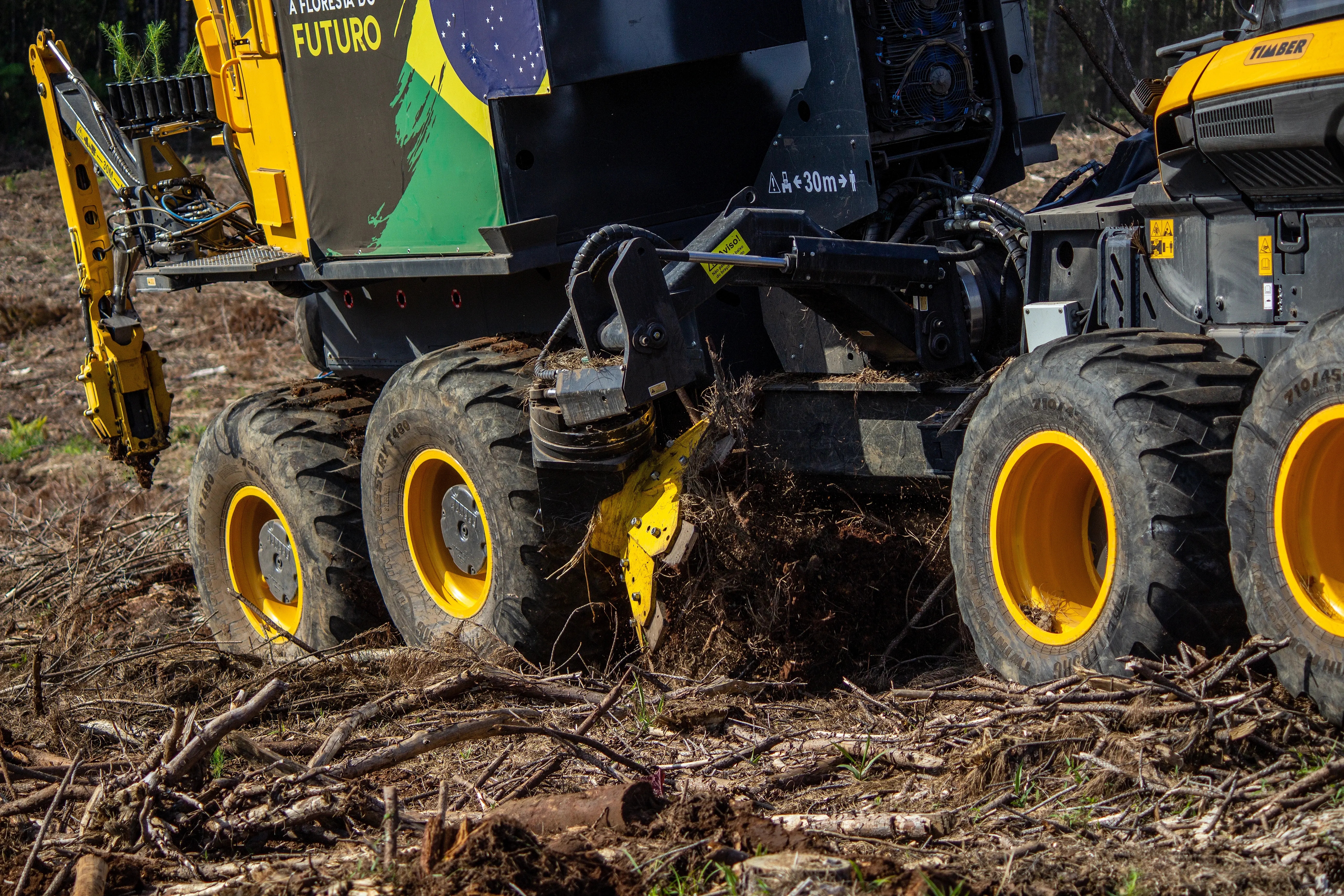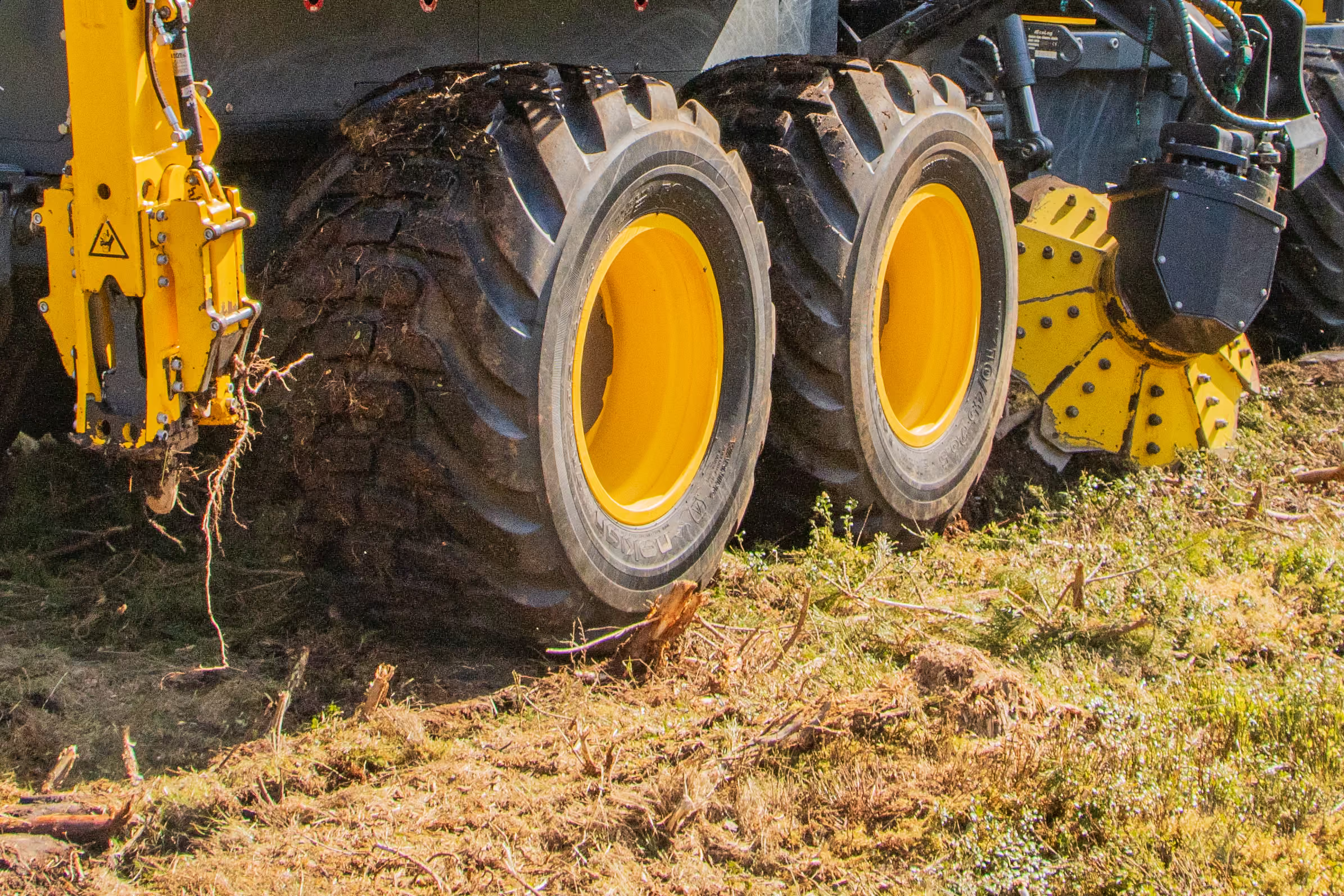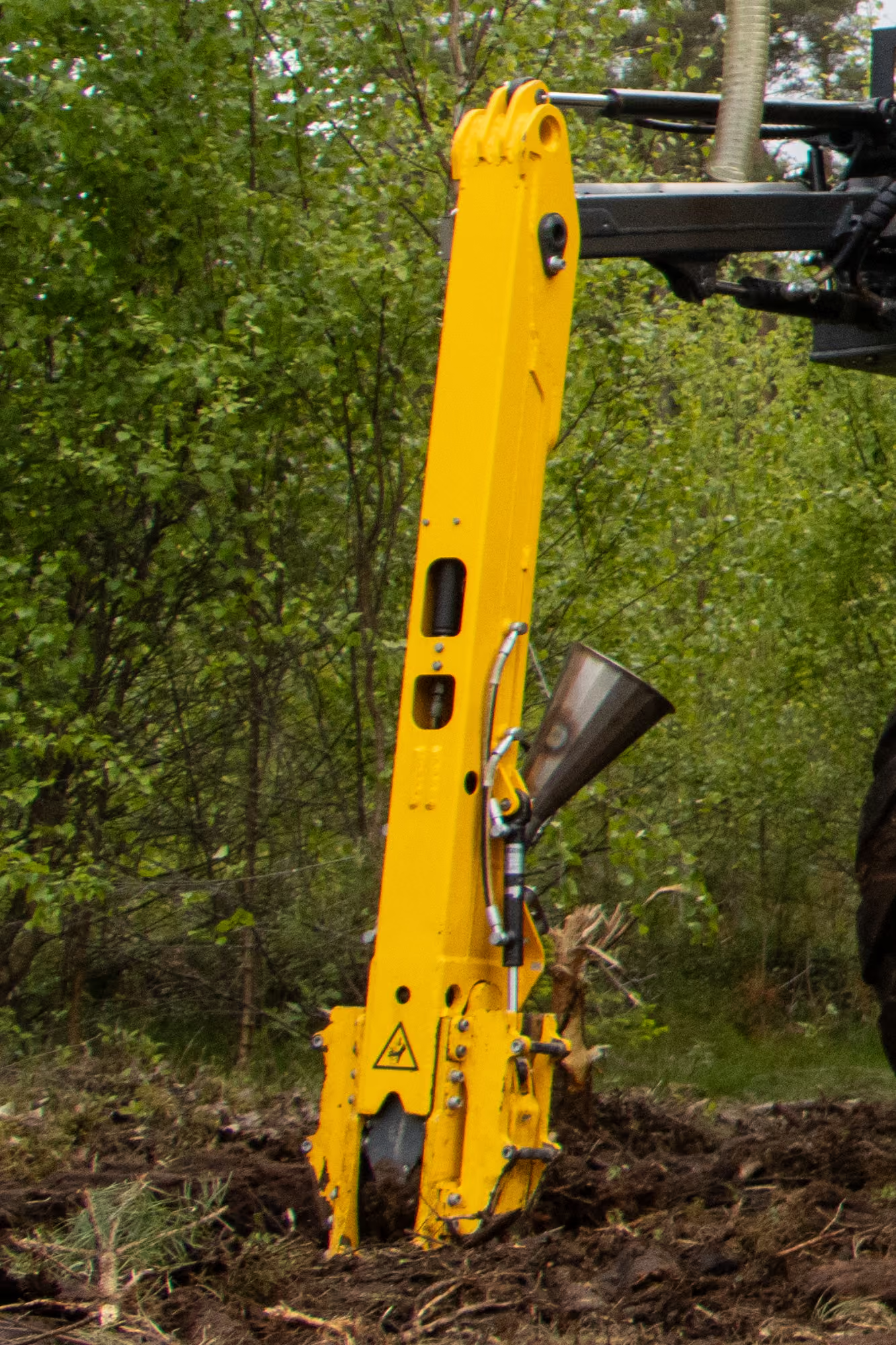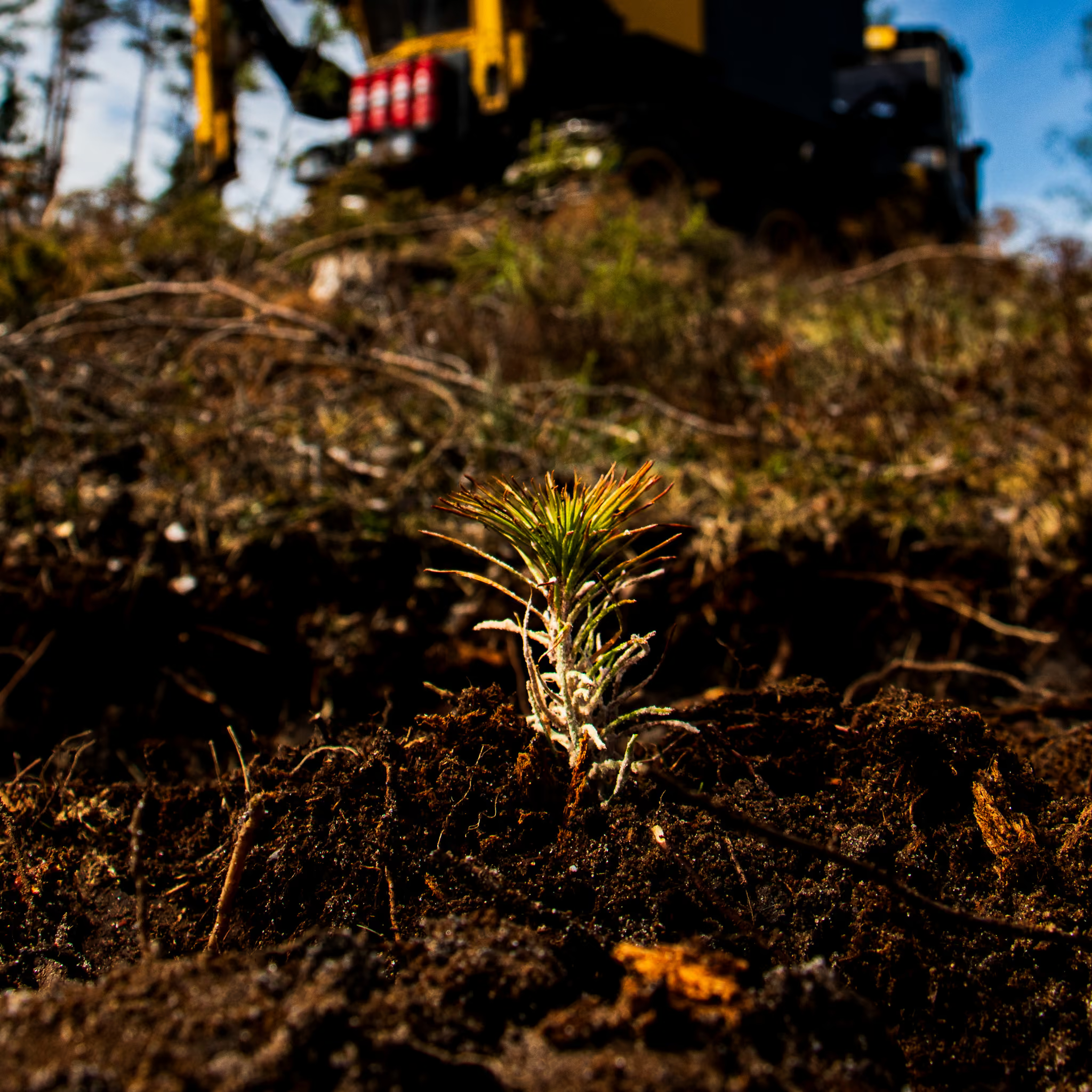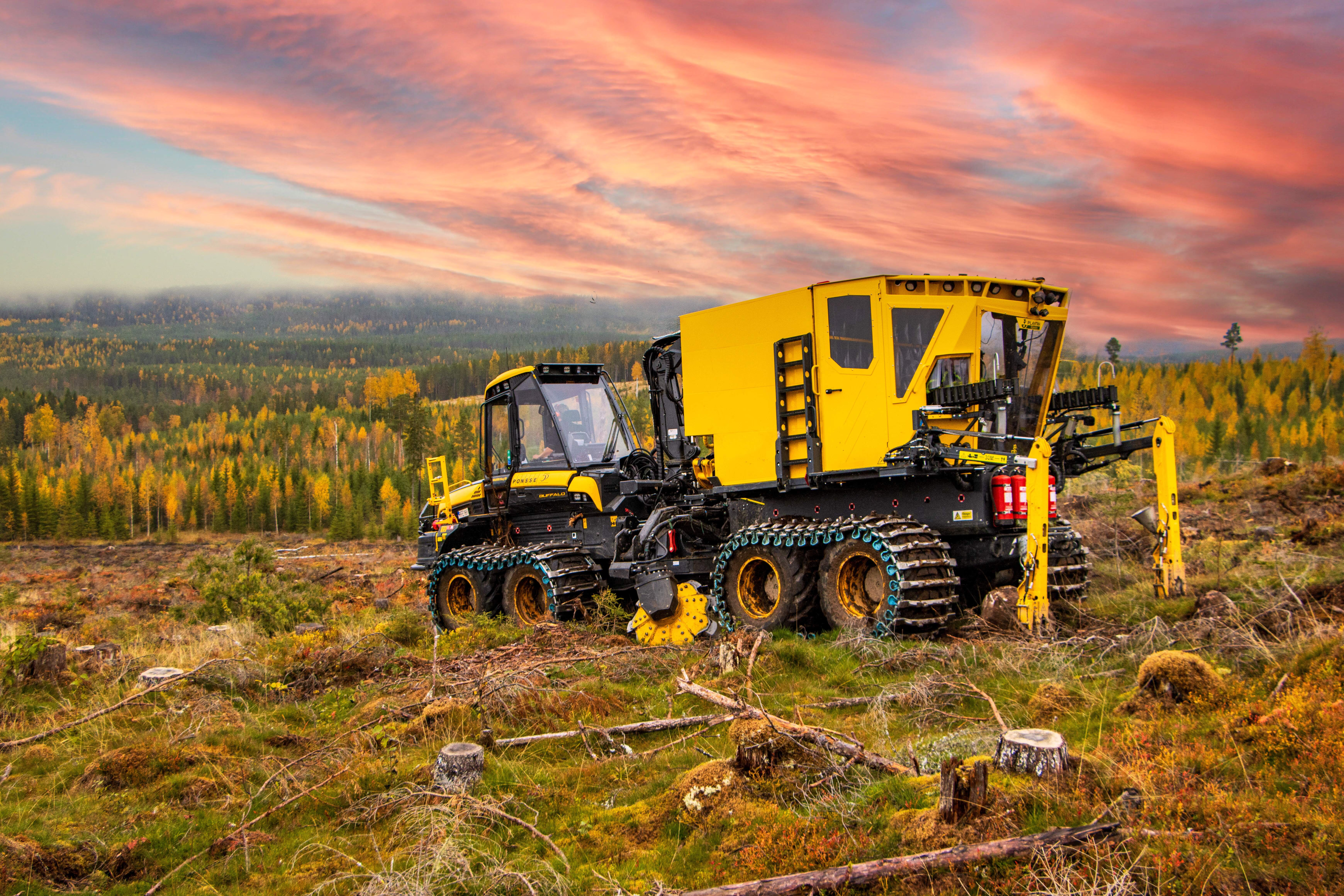
Established as the world-leading solution for large-scale mechanised planting, PlantMax has proven its capabilities across a wide range of conditions. This reforestation machine performs all operations in a single pass, combining high efficiency with excellent planting quality.
PlantMax scarifies, analyses the soil, compacts it and plants the seedling – all in one pass. Peak capacity is up to 3,000 seedlings per hour under ideal conditions. PlantMax can also irrigate and apply fertilizer and pest protection directly to each seedling. With a large fuel tank and storage for up to 24,000 seedlings, PlantMax can operate for a full work shift without stopping for refueling or reloading. With powerful work lights, this is a machine that operates around the clock.
Cool climate with a relatively short planting season. Planting sites of
various sizes, often with challenging terrain, including rocky ground and steep slopes.
Mainly pine and spruce. First PlantMax unit delivered in 2022.
Large planting areas, often with heavy slash loads and challenging terrain.
Mainly pine and spruce. First PlantMax unit delivered in 2022.
Large-scale commercial plantations, particularly eucalyptus and pine, with
warm and often dry climates. First PlantMax unit delivered in 2022.
Large plantation areas with varied terrain and climate, including drought
and wildfire risks. Mainly eucalyptus and pine. First PlantMax unit delivered in 2024.
Large-scale plantation forestry, often on hilly terrain, with varying soil
and slope conditions. Mainly pine. First PlantMax unit delivered in 2022.
PlantMax ensures every seedling is planted according to predefined settings, delivering consistent results from the first seedling to the last. Regular follow-ups and independent studies demonstrate consistently high planting quality across all markets.
Every seedling is logged with precise GPS coordinates, providing complete traceability. Spot fertilisation reduces fertiliser use and input costs, while the ability to plant deeper can extend the planting season beyond what is feasible with manual methods.



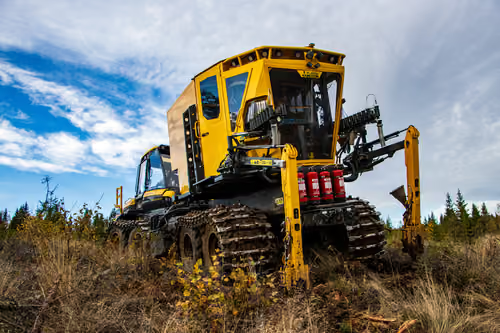
PlantMax can handle various ground conditions and different types and sizes of seedlings. Planting points, planting width, plant spacing, planting depth and more can all be easily adjusted.
Regular follow-ups as well as independent studies show consistently high planting quality across all markets. The machine collects and stores all planting data, providing full traceability for the landowner. It is also possible to monitor the machine’s work remotely in real time.
Ground preparation can be carried out using either the MidiFlex scarifier or our in-house developed subsoiler.
The intelligent, low-impact MidiFlex scarifier uses rotating discs to create two inverted mounds while minimising ground disturbance. It automatically adapts to ground conditions and can operate continuously or intermittently, with adjustable ground pressure.
The subsoiler is used in areas where there is a need to break up compacted layers, allowing roots to penetrate deeper. In dry environments, deeper root development helps seedlings access moisture deeper in the soil, supporting early growth.
The mounds can be compacted after ground preparation, using the rear bogie wheels, immediately making the ground ready for planting. Planting immediately after site preparation reduces the risk of pests, such as pine weevils, as there is less time for grass and other vegetation to grow around the seedlings. Less surrounding vegetation also means less competition for water, nutrients and light.
On markets where compaction is not required, planting is done outside the compacted track.
Before each planting cycle, the ground is analyzed to ensure suitable planting conditions. The assessment is based on data from both the scarifier’s ground-sensing system and sensors in the planting arms.
If the ground is too wet or an obstacle, such as a rock or stump, is detected, planting is immediately halted and a new cycle begins. The spacing between subsequent planting positions is automatically adjusted to compensate for the skipped position. This ensures that the programmed planting density is maintained over the planted area.
Once a suitable planting position is identified, the seedling is planted at the preset spacing, depth and position. The planting arm creates the planting hole, releases the seedling and then presses the surrounding soil firmly around the roots. The seedling can be planted either in the ditch or on the mound, with the setting easily adjusted during operation.
PlantMax continuously collects planting data, including productivity, GPS coordinates and ground conditions.
Click on the machine and learn more about Plantmax
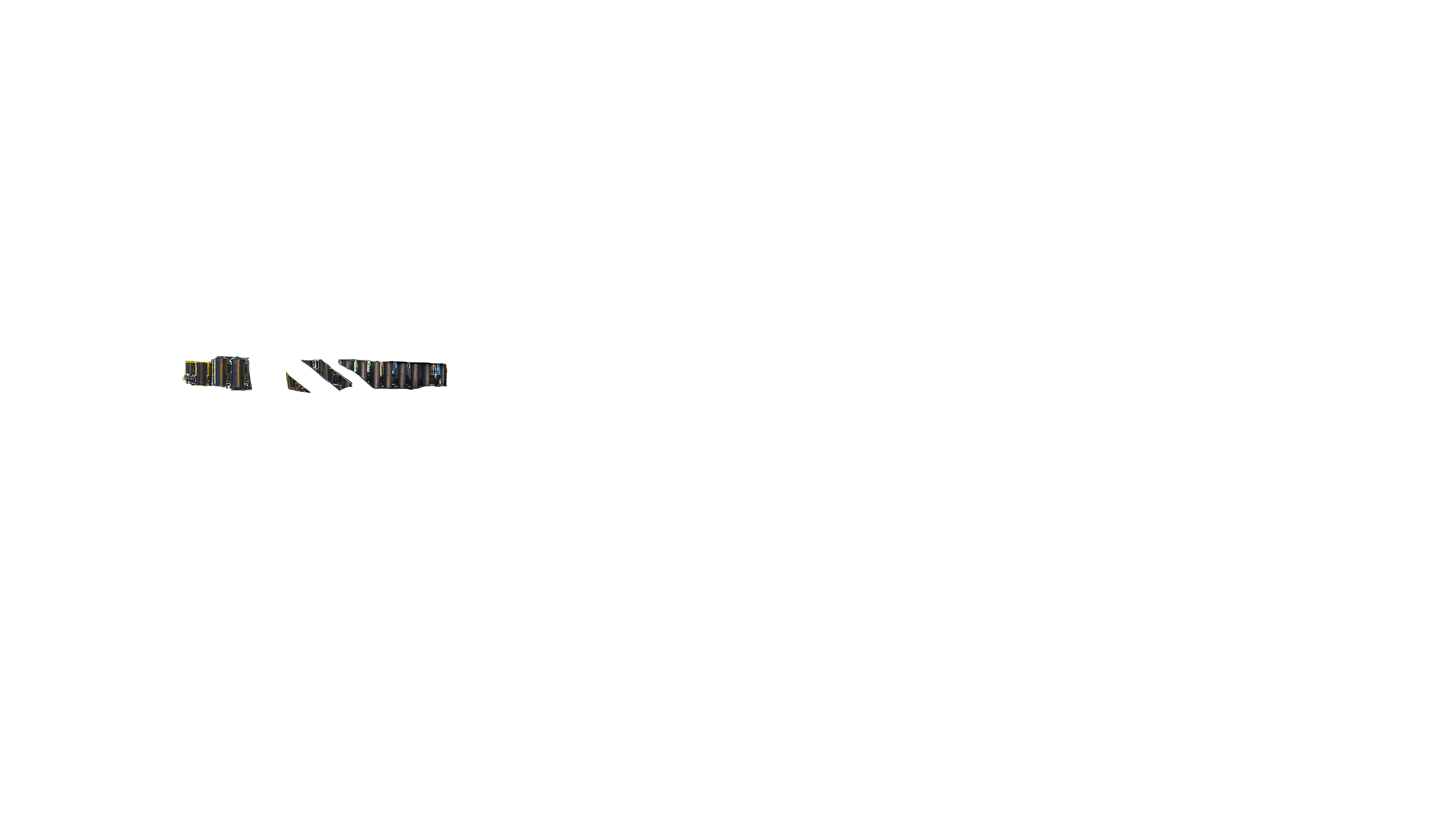

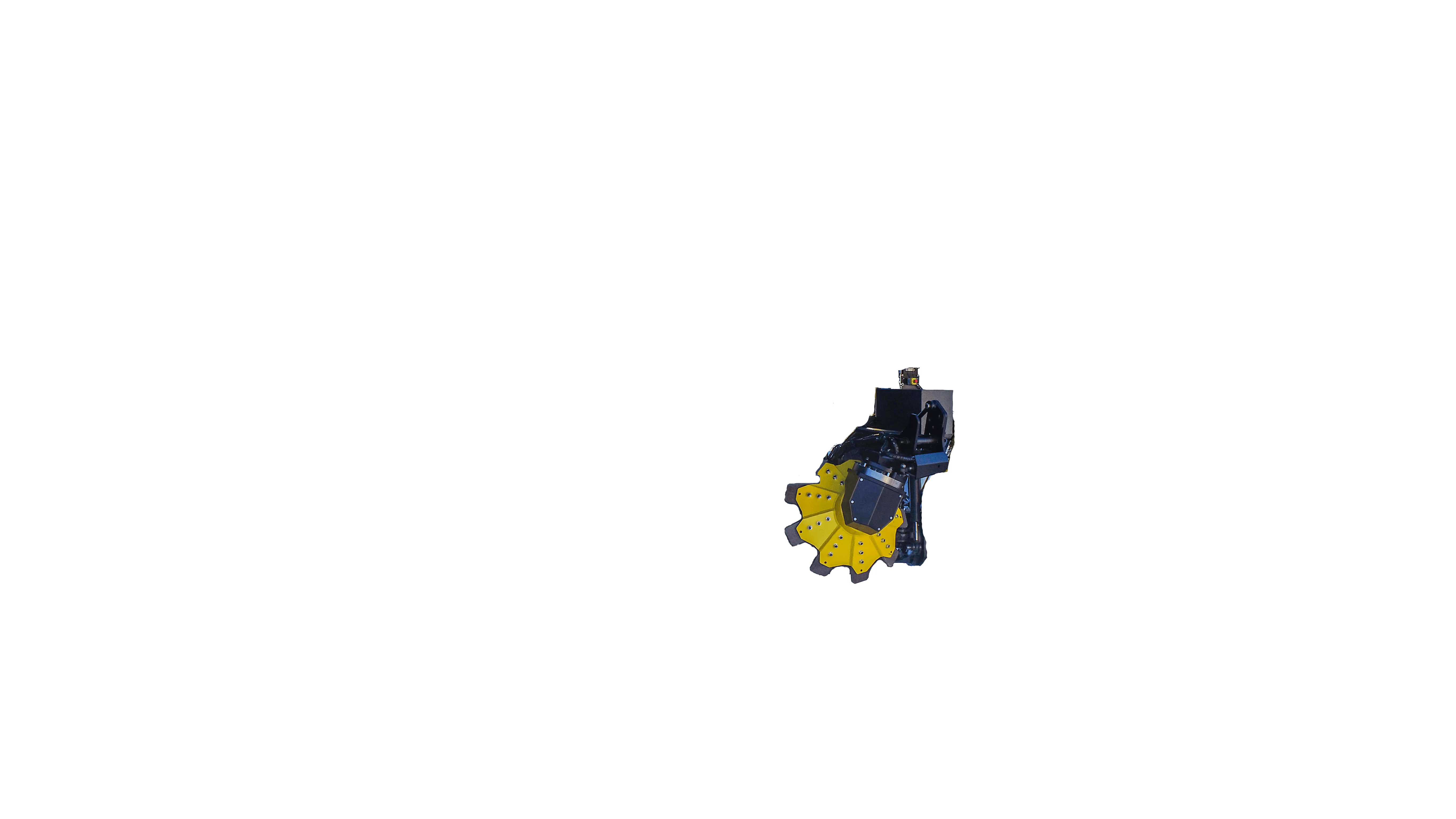
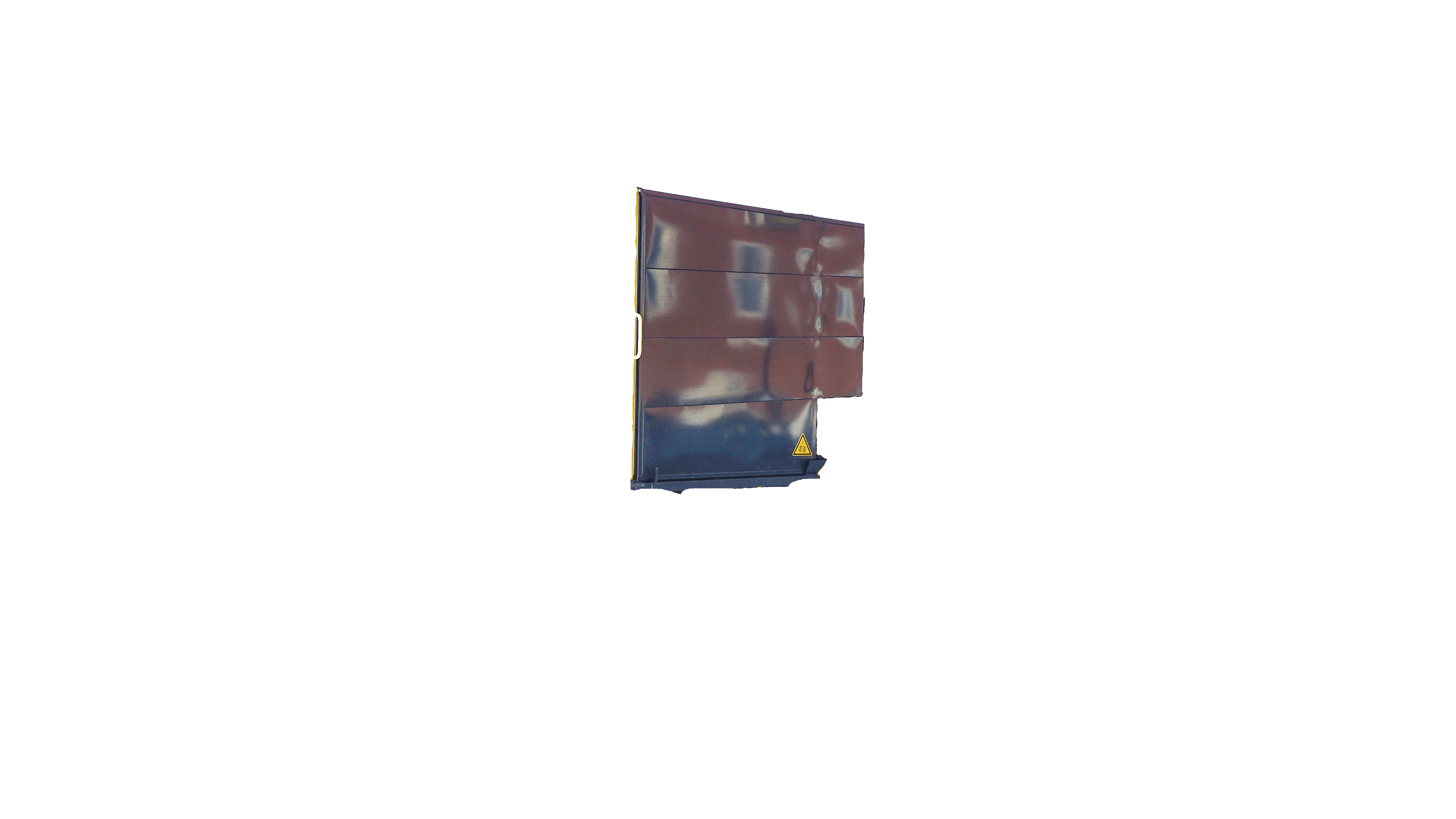
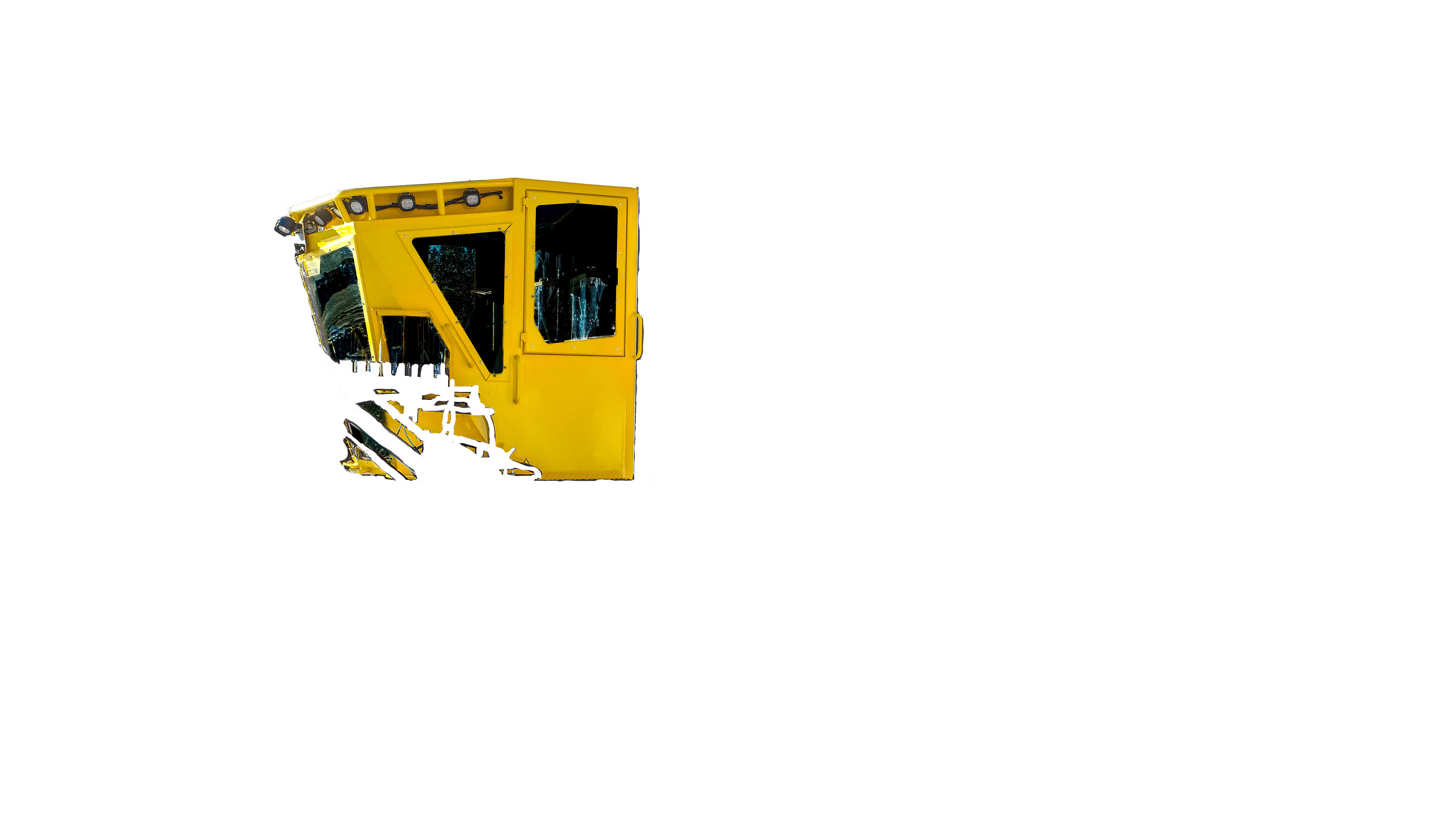
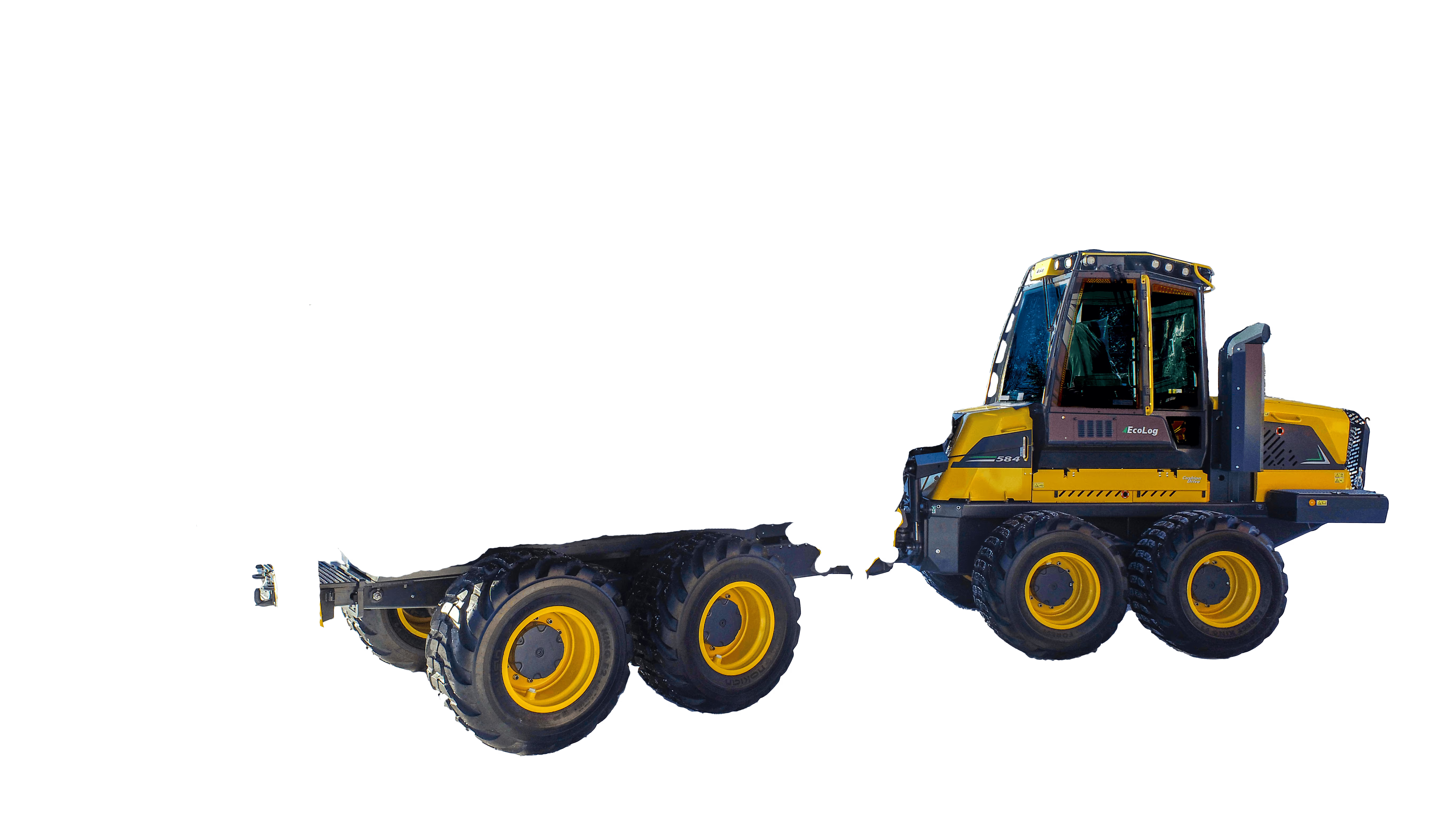
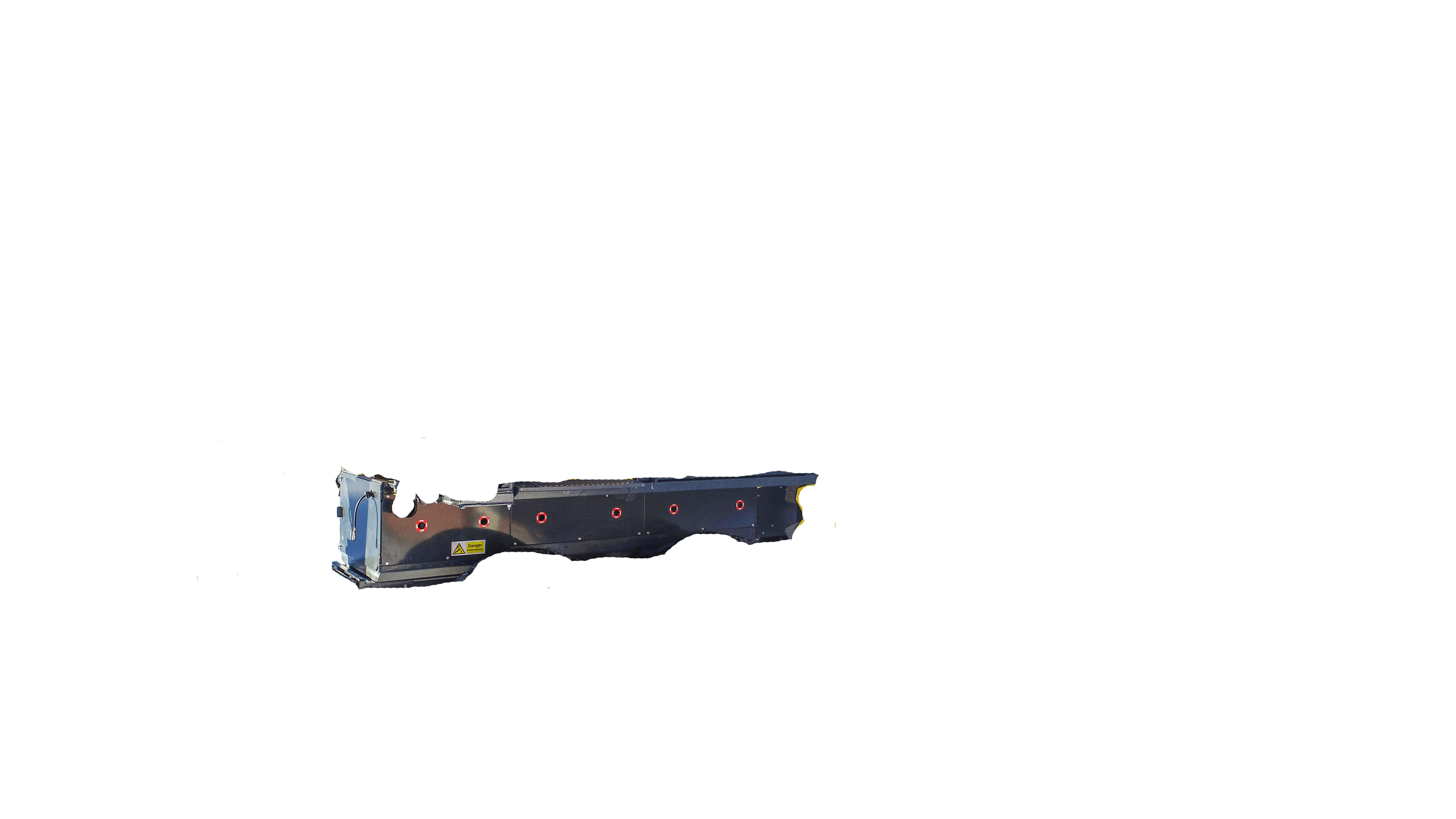
Carrier
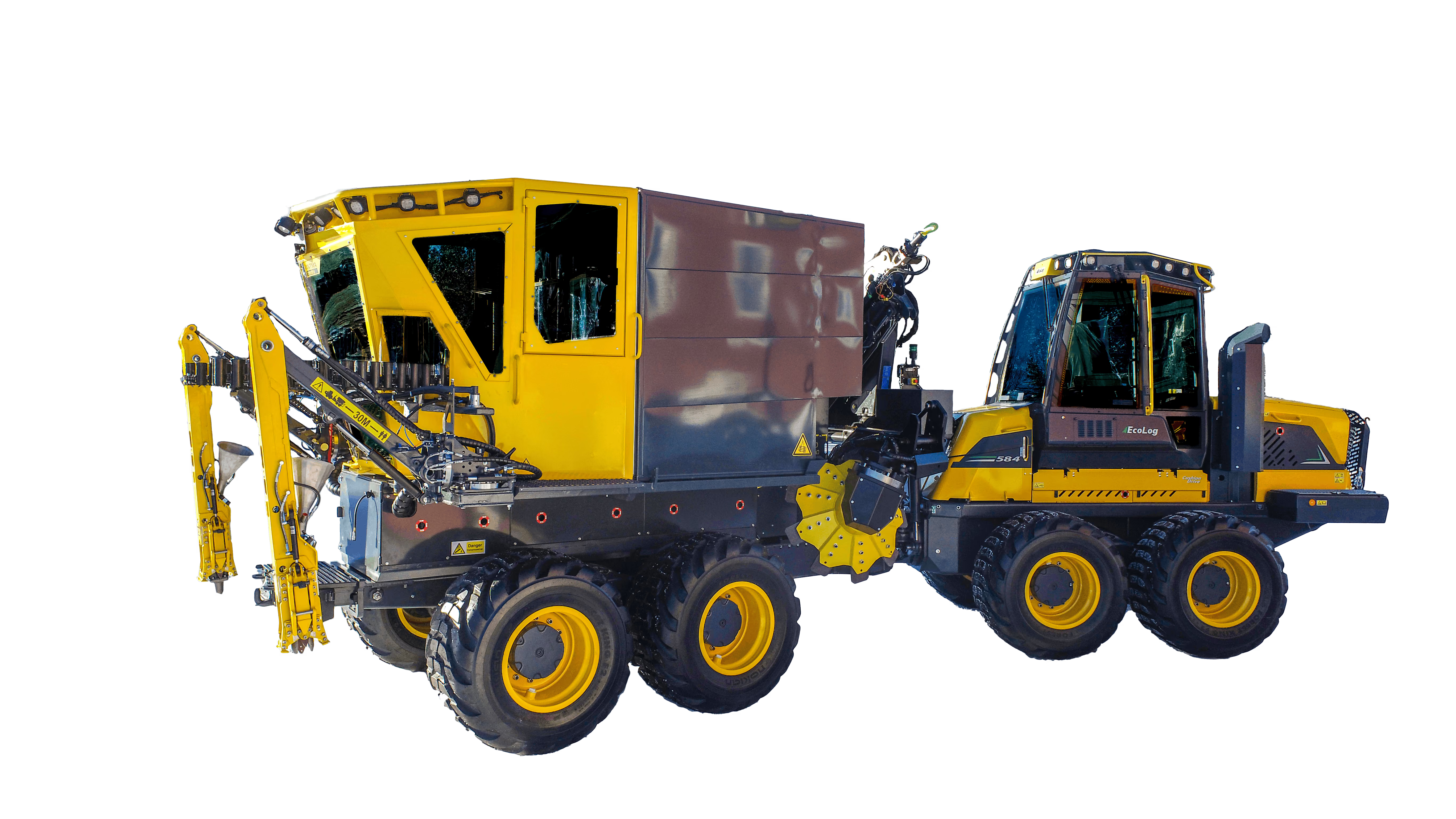
PlantMax is normally mounted on a forwarder and is compatible with a wide range of makes and models, including the Eco Log 574/584 and Ponsse Buffalo/Buffalo King, as well as other carriers with similar specifications. PlantMax is not limited to a specific brand or model.
Crane
The crane is used to lower the entire seedling magazine from the PlantMax to the ground, making it easier to reload it with seedlings. Once reloaded, the magazine can be lifted back onto the machine.
MidiFlex (or subsoiler)
Site preparation is carried out using either the MidiFlex scarifier or our subsoiler.
MidiFlex is designed for low ground impact and can operate continuously or intermittently with adjustable ground pressure. MidiFlex's design allows the rear bogie to run over the mounds and compact them immediately after site preparation, removing air pockets and making the ground ready for planting.
Where compaction is not required, planting can instead be carried out outside the compacted track.
The subsoiler is used to penetrate thick compacted soil, where deeper ground preparation is required.
MidiFlex and the Subsoiler are also standalone products.
Planting Arms
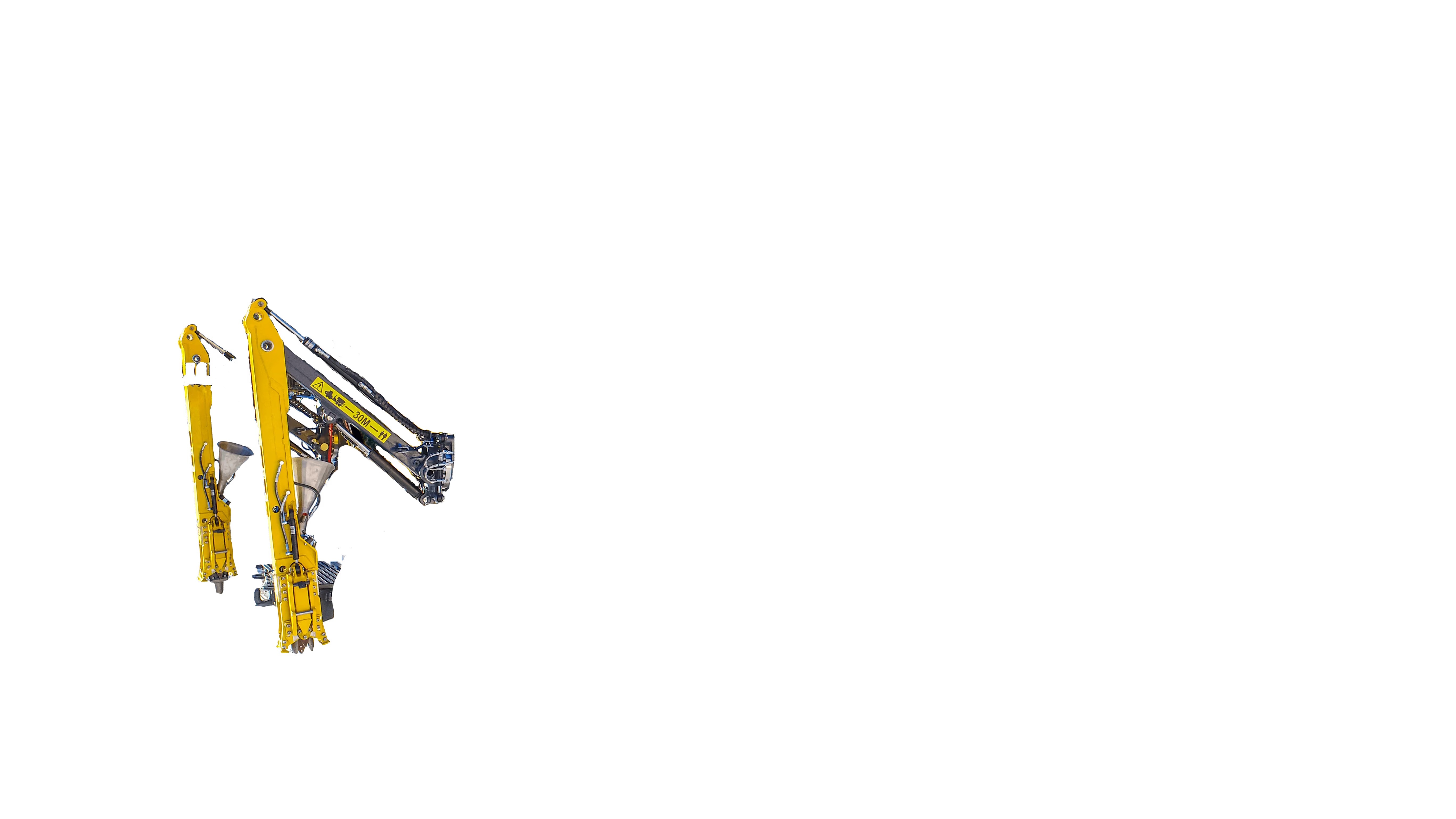
PlantMax features two planting arms that works independently. Integrated sensors analyse the ground at each planting position, detecting obstacles such as stones and stumps, as well as unsuitable soil conditions. Planting distance is fully adjustable to suit different requirements and site conditions.
Planting cabin
In the planting cab, the operator feeds seedlings into the cups on the seedling conveyor, monitors the operation and adjusts the planting arms according to ground conditions and planting material.
Support Frame
The planting unit is built on a support frame to which the planting arms are attached. The frame houses the hydraulic and pneumatic systems that control the planting operation, as well as the associated tanks and equipment.
Seedling magazine
PlantMax can store up to 24,000 seedlings. The exact capacity depends on seedling size and packaging. The entire seedling magazine can be lifted off the machine using the crane, making reloading easier.
Seedling Conveyors
The seedling conveyors transport seedlings from the planting cab to the planting arms. Once a seedling is placed in the planting cup, the planting process is fully automated.
It depends on the ground conditions and the type of forwarder, but in general, PlantMax can operate on slopes of up to 20 degrees.
The total weight depends on the forwarder model. The planter and scarifier add approximately 7 tonnes, with most of that weight positioned low on the machine. With tracks fitted on all wheels, the total weight is around 25 tonnes.
As a rough comparison, think of a mid-sized forwarder carrying a load of around 5–6 tonnes.
The cost per hectare depends on several factors, so there is no single answer. If two smaller sites are located close to each other and can be planted without transporting the machine between them, both can be covered in the same operation.
In general, planting less than 5 hectares before transporting the machine to another site tends to be uneconomical.
Yes, almost all PlantMax units we have sold are equipped with GPS.
PlantMax can handle seedlings up to 60 cm tall, provided they are slender enough to pass through the planting tubes. Stiff, bushy seedlings may not pass through the tubes and reach the planting ripper.
Yes, PlantMax can plant both bare-root and cell-grown seedlings, provided the bare-root seedlings are of a suitable size.
PlantMax can carry between 10,000 and 24,000 seedlings, depending on their size.
PlantMax can typically operate for 8–10 hours before needing to be resupplied with seedlings, fuel, and water.
Yes, PlantMax can apply up to 30 g of slow-release fertilizer per seedling during planting.
PlantMax has the same ability to drive over stumps as the forwarder it is mounted on. However, large-diameter stumps reduce the area available for planting, while tall stumps can restrict the forwarder’s manoeuvrability. Stumps should therefore be cut as low as possible.
PlantMax can track skipped planting positions and compensate for them by reducing the spacing between subsequent seedlings, using both planting arms until the missed positions have been accounted for. This compensation is optional: the machine can either compensate for skipped positions or maintain a fixed planting spacing.
Heavy brash mats generally need to be removed or raked aside before planting.
The scarifier cannot effectively penetrate brash mats to create a suitable planting position. Tests have shown that it can take 6–7 passes to achieve this, making the approach uneconomical.
We do not recommend using PlantMax on deep peat soils. Our testing in these conditions has been very limited, but given the sensitivity of peat soils and the weight of the machine (approximately 25 tonnes), we do not consider it suitable for such conditions.
Wet soil can negatively affect planting quality and consistency.
On steeper terrain, wheel slip can affect seedling spacing. We are currently investigating the use of GPS signals to calculate the distance travelled more accurately and improve planting precision.
Productivity depends largely on travel speed, whether planting can be carried out in both directions, and the size of the planting area. Under typical operating conditions, PlantMax achieves around 2,000–2,200 seedlings per planting hour. Brash primarily affects planting quality rather than productivity.